



The igneous rock statue of Yoga Buddha, a cultural relic from the Chola period in India
Yoga Buddha is a very important deity in Indian history, and his story and image occupy a significant position in Indian yoga culture. Archaeologists have discovered a large number of stone sculptures and pottery seals in the Harappan and Mohenjodaro cultures of the Indus Valley civilization, featuring figures in yoga and meditation postures. There are many cross legged (described as yoga sitting posture) human figures on the Harappa seal, and the statues are now collected at the Minneapolis Museum of Art.

Indian Shiva Nataraja Igneous Rock Statue from the Chola Period
Shiva is one of the three main gods of Hinduism. Its predecessor was the god of reproduction, "Beast Lord," and the god of Vedic storms, Tatra, during the Indus Civilization era. It had a dual personality of reproduction and destruction, creation and destruction, presenting various bizarre and bizarre appearances, mainly including the Linga, Gentle, Superhuman, Dance King, Rika, and Half Girl. Linga is the most basic symbol of Shiva. Like many gods in mythology, due to Shiva's omniscient and omnipotent nature, her gender is not fixed, but changes at any time according to her different appearances. In Buddhist literature, Shiva is referred to as the Great Self in Heaven, residing at the top of the realm of colors, and is the ruler of the three thousand realms.

Classical Indian period igneous statue "Yoga goddess holding a jar (Yogini with a jar)"
The statue is known as the "Yoga goddess holding a jar" and was made during the classical Indian period in the early 10th century AD. In the Indian subcontinent and many indigenous beliefs, the goddess is seen as the embodiment of life-giving energy. The goddess known here as yoga gracefully demonstrates complete control over the body. She holds a jar in her hand that may contain drugs, demonstrating her healing powers. Her now fractured left lower limb used to hold a skull cup for drinking. The sculpture was once enshrined in a circular open-air temple, along with at least 15 other goddesses, each believed to have unique powers, and is now in the collection of the Minneapolis Museum of Art.

Popular Models
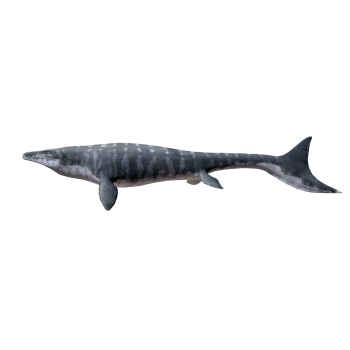
Hoffman Canglong (3D animated model)
135 View
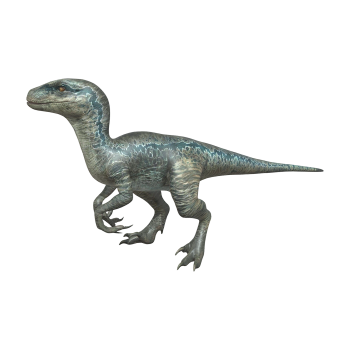
Velociraptor (3D animated model)
132 View
YF-23(3D animated model)
103 View
Random Model


Grass is fierce
808 View



Meishen Shandie (with 3D animated model)
1039 View


Headless Spiny Guinea Pig Skull
771 View

Shuri Castle, Naha City, Japan
914 View